Resources Estate Resources Safe Storage and Inventory of Inherited Firearms
Safe Storage and Inventory of Firearms in an Estate
When firearms are discovered during estate administration, the executor’s first responsibility is to ensure they are stored safely and properly documented. Unlike most personal property, firearms may present safety and regulatory considerations that require careful handling during the probate process.
Establishing secure storage and creating an accurate inventory early in the administration process helps protect the estate, prevent unauthorized access, and simplify future transfer or valuation decisions.
Quick Summary
- Secure any firearms discovered in the estate and limit access until a full inventory can be created.
- A proper inventory should document the make, model, serial number, general description, and location of each firearm.
- Clear photographs help confirm identification, preserve records, and support later review by attorneys or other professionals.
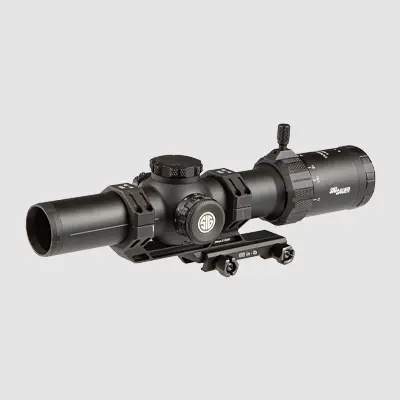
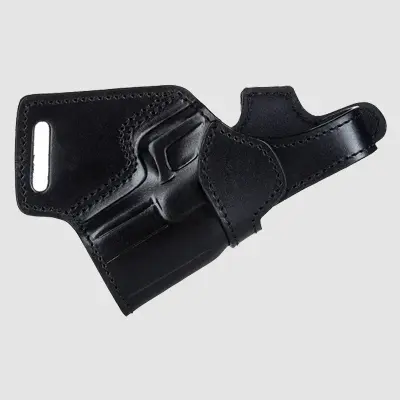
- Accessories such as magazines, optics, holsters, and cases should be recorded alongside the firearm when possible.
- Keeping organized records from the beginning helps ensure the estate’s assets are properly documented throughout administration.
Where to start
Immediate safety considerations
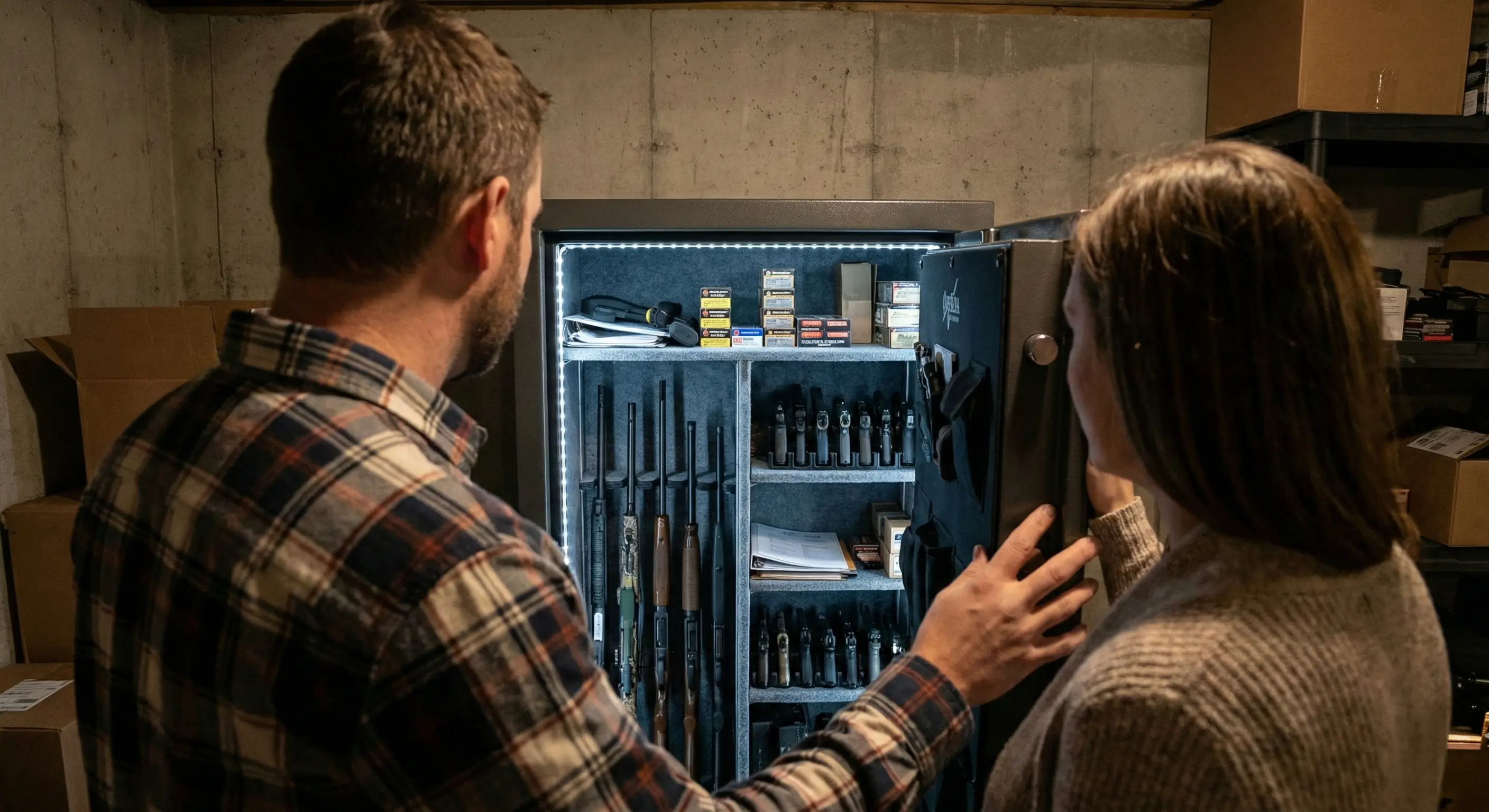
If firearms are discovered in a residence, the first priority is ensuring they remain safely stored and inaccessible to unauthorized individuals.
Executors should avoid unnecessary handling of firearms if they are unfamiliar with them. If items must be moved to confirm what is present, they should be handled cautiously and treated as if they are loaded until confirmed otherwise.
In most situations, firearms should remain where they were originally stored until an inventory can be created. Moving items unnecessarily can lead to confusion about what was present in the estate and may complicate later recordkeeping.
- Limiting access to the storage location
- Limit Access
- Avoiding unnecessary handling of the firearms
- Avoid handling
- Keeping firearms secured away from children or visitors
- Secure firearms
- Documenting the location where items were discovered
- Document
How do you secure firearms during estate administration?
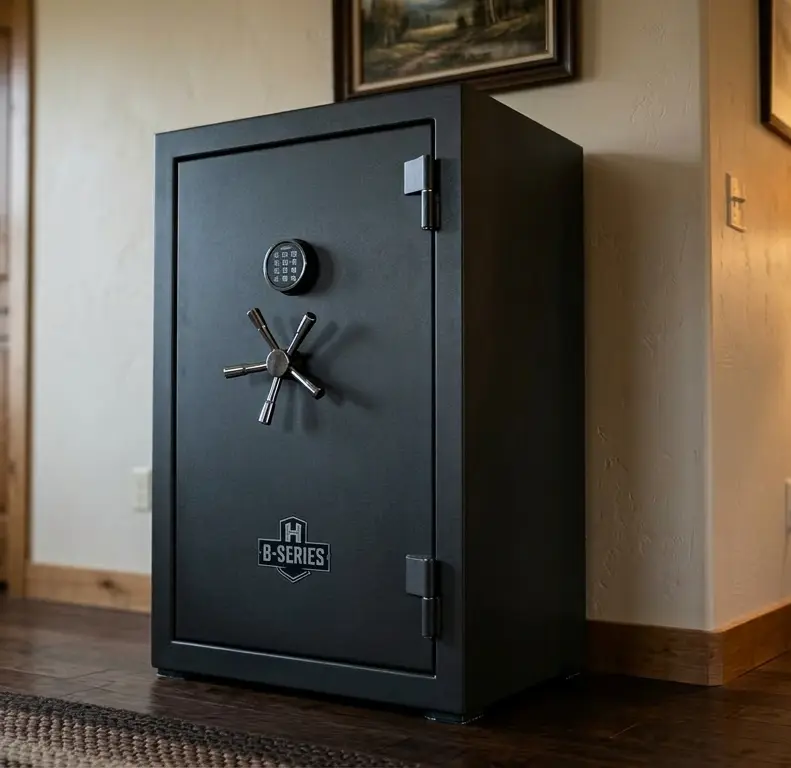
After confirming firearms are present, executors should ensure the items remain stored in a secure location throughout the estate administration process.
In many cases, firearms will already be stored in a gun safe, locked cabinet or other secure container. If that storage method is available and remains secure, it is often appropriate to leave the firearms in place while documentation is completed.
If firearms are stored openly in a closet or cabinet, the executor may wish to restrict access to the room or move the items to a more secure location within the residence, such as a locked safe or secure storage container.
The objective is simply to ensure that firearms are not accessible to individuals who should not have access to them while the estate is being administered.
Executor Tip
If the executor is uncomfortable maintaining the firearms at the residence, secure third-party storage may also be an option in some situations. In those cases, firearms professionals or licensed dealers may be able to provide temporary storage while the estate process moves forward.
Create a proper firearm inventory
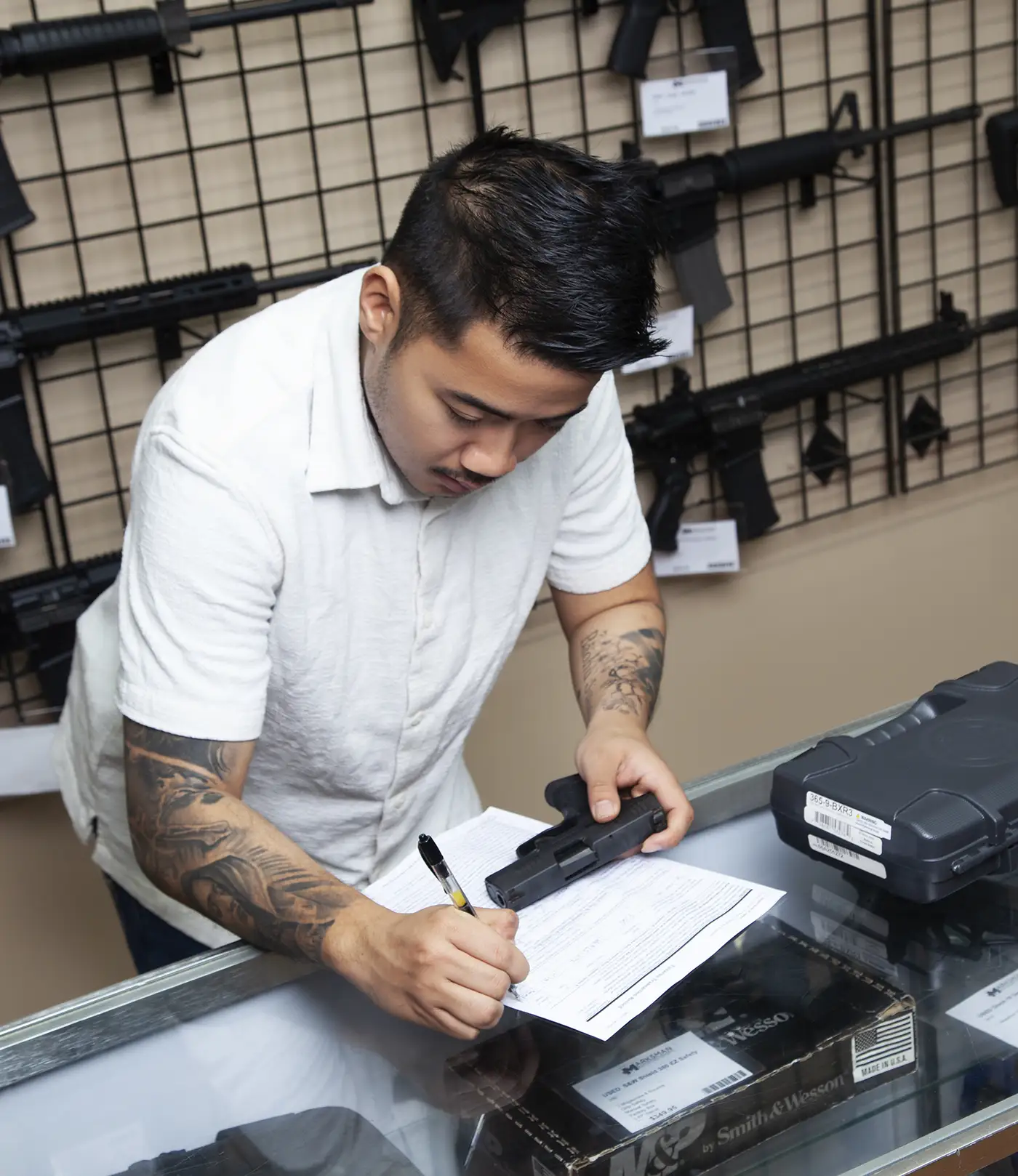
Once firearms have been safely secured, the next step is creating a clear inventory of the items present in the estate.
An inventory allows the executor to document the assets accurately and provides a reference for attorneys, beneficiaries or other professionals who may later assist with the estate.
A basic firearm inventory should record the following information for each item:
- Manufacturer (make)
- Model
- Serial number
- Caliber, if known
- General description of the firearm
- Location where it was discovered
Executor Tip
Executors may find it helpful to record this information in a simple spreadsheet or worksheet so that the list can be easily updated and shared with professionals assisting with the estate.
Capture the details
Documenting firearms with photographs
Photographs are one of the most useful tools when creating a firearm inventory. Clear images make it much easier to identify firearms correctly and confirm their condition later if needed.
- Side profiles
- A full view of the firearm from each side
- Serial numbers
- A close-up of the serial number
- Identifying markings
- A close-up of any visible markings or engravings including make, model, or caliber
- Functional details
- A close-up of the action, bore or internal components if available
Recording accessories and related items
In addition to the firearms themselves, many estates include related items that should also be documented as part of the inventory.
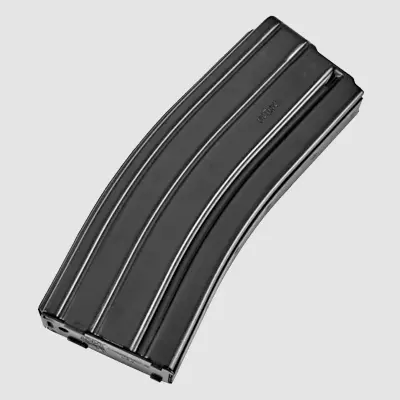
- Magazines
- Optics or scopes
- Holsters
- Original boxes or cases

- Spare parts
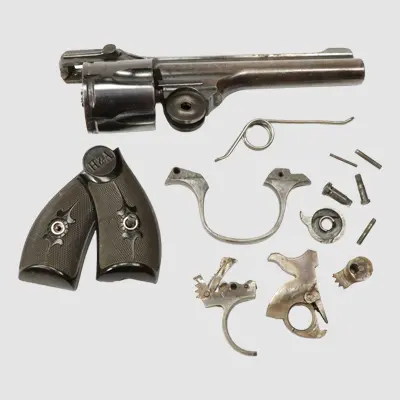
While these items may seem minor individually, they can be important for identifying which accessories belong with each firearm.
When possible, accessories should be recorded alongside the firearm they were stored with. Photographing these items with the firearm can also help maintain accurate records.
Maintaining Records for Estate Administration
Once the inventory has been created, the executor should keep the records organized and accessible throughout the estate administration process.
Inventory records, photographs and notes should be stored in a secure location along with other estate documentation. This allows the executor, attorney or other professionals assisting with the estate to review the information easily if questions arise later.
Attorneys assisting with probate matters may also find the Estate Attorney Quick Reference helpful when firearms are encountered during estate administration.
Maintaining clear documentation helps ensure the estate’s assets are properly accounted for and prevents confusion about what items were originally present.
Frequently asked questions
- What should an executor do if firearms are found in an estate?
-
The executor should ensure the firearms are secured and create a proper inventory before making decisions about transfer or disposition.
- What information should be included in a firearm inventory?
-
A firearm inventory should record the make, model, serial number, general description, location where the firearm was found, and clear photographs when possible.
- Should firearms be moved when they are discovered in an estate?
-
In many situations firearms should remain where they were discovered until an inventory can be completed. Moving items unnecessarily can make documentation more difficult and may create confusion about what was originally present in the estate.
- Why should executors photograph firearms during inventory?
-
Photographs help confirm the identity and condition of each firearm. Images of serial numbers, markings, and overall condition make it easier for attorneys, appraisers, or professionals assisting with the estate to review the items later.
- Should accessories be included in a firearm inventory?
-
Yes. Accessories such as magazines, optics, holsters, cases, and spare parts should be documented alongside the firearm whenever possible so that the estate’s assets are recorded accurately.
Additional estate firearm resources
Handling firearms during estate administration can involve several steps beyond storage and inventory. Executors who need additional guidance can review the resources available in the Estate Firearms Resource Center, which includes practical guides and checklists for managing firearms discovered in an estate.
