Resources Estate Resources Estate Guidance on Regulated Firearms
Estate Guidance on Regulated Firearms
Some firearms discovered during estate administration may be subject to additional federal regulation and require more caution than ordinary rifles, shotguns, or handguns.
Identifying these items early helps executors avoid improper handling, preserve documentation, and determine when specialized review may be necessary before transfer or disposition.
Quick Summary
- Some estate firearms may be subject to additional federal regulation, including suppressors, short-barreled rifles, and machine guns.
- Executors should identify unusual or specialized items early and avoid informal transfer or unnecessary movement.
- Documentation such as tax stamps, trust records, or registration paperwork may be important when reviewing regulated items.
- Constructive possession and unauthorized access can create additional risk in some situations.
- When regulated firearms are discovered, professional review is often advisable before any transfer or disposition is attempted.
Where to start
What qualifies as a regulated firearm?
Most firearms encountered in an estate are standard handguns, rifles, or shotguns. Some items, however, may be subject to additional federal regulation and should be identified early in the estate process.
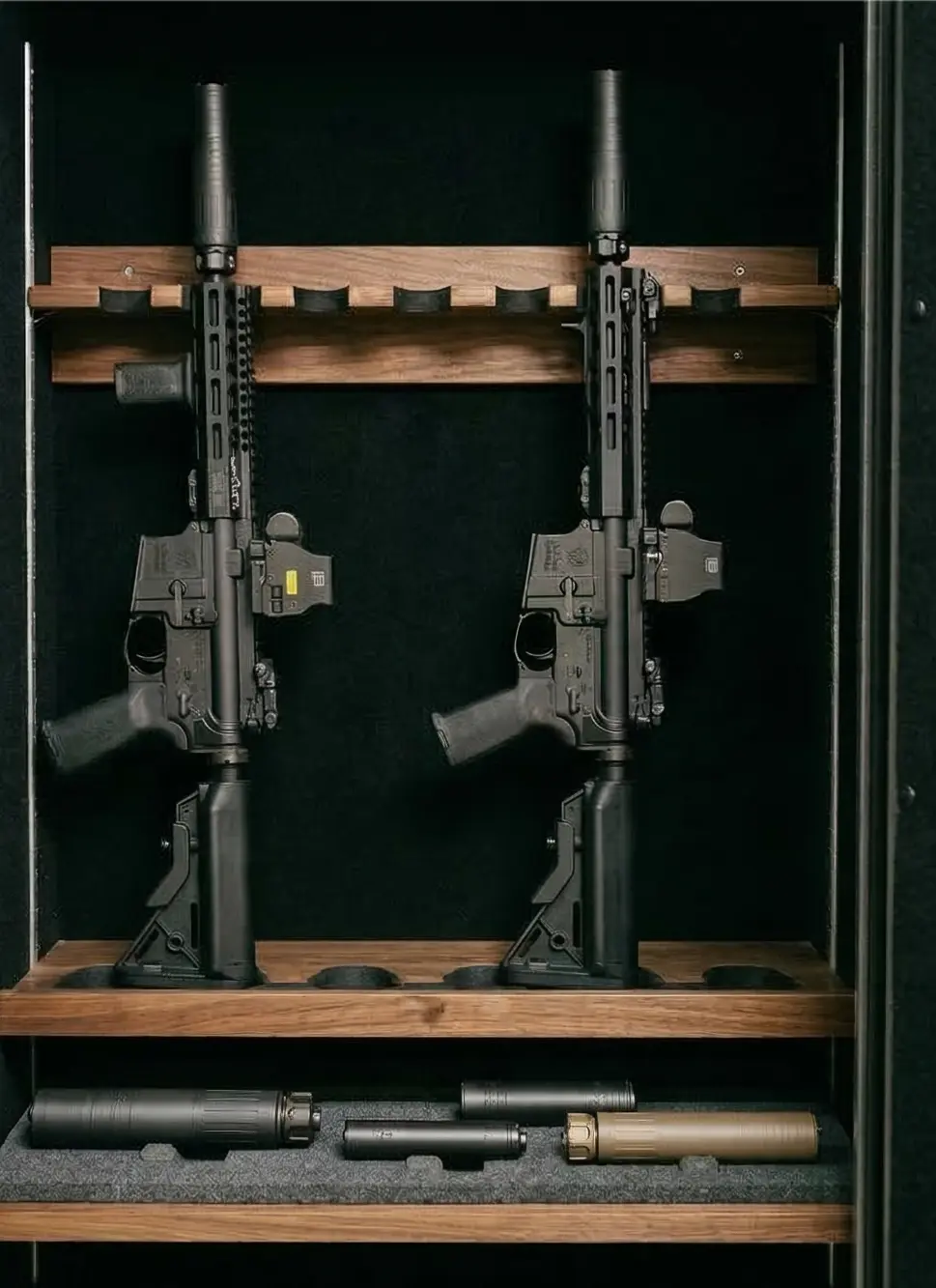
Common examples include suppressors, short-barreled rifles, short-barreled shotguns, machine guns, and certain specialized firearms or accessories regulated under the National Firearms Act.
Executors do not need to make final legal determinations on their own, but they should recognize when an item appears unusual or specialized and pause before moving, distributing, or disposing of it.
- Suppressors and silencers
- Suppressors
- Rifles or shotguns with unusually short barrels
- Short barrel
- Fully automatic firearms or conversion concerns
- Machine guns
- Items requiring additional federal review
- NFA items
Why regulated firearms require additional caution
Regulated firearms cannot always be handled in the same way as ordinary estate property. Some items require documentation, registration review, or approval before they can be lawfully transferred.
Executors should be cautious about assuming that a will or estate plan alone resolves how these items may be distributed. In some cases, the practical handling of the firearm presents the greatest immediate risk.
The goal at this stage is not to complete the transfer, but to preserve the item, limit unnecessary access, and determine what documentation exists before any next step is taken.
Executor Tip
If an item appears unusual, highly specialized, or accompanied by tax stamp paperwork, it is generally best to pause handling and document the item carefully before proceeding.
Review available paperwork before taking action
When regulated firearms are discovered, any associated documentation should be preserved and reviewed alongside the item itself.
Relevant records may include tax stamps, trust documents, registration paperwork, purchase records, or other materials stored with the firearm or in estate files.
Even if paperwork is incomplete or missing, executors should document what was found and avoid making assumptions about lawful status until the item can be reviewed more carefully.
Clear photographs of the item, markings, serial numbers, and any available documents can make later review significantly easier.
- Tax stamp paperwork
- Trust or entity ownership records
- Purchase or transfer documents
- Serial numbers and identifying markings
- Photographs of the item and related accessories
Executor Tip
Keep any paperwork with the inventory record and photograph it as part of the estate file. Even incomplete documentation may be useful later.
Access and control
Why access matters with regulated firearms
With regulated firearms, risk may arise not only from transfer but also from who has access to the item while the estate is being administered.
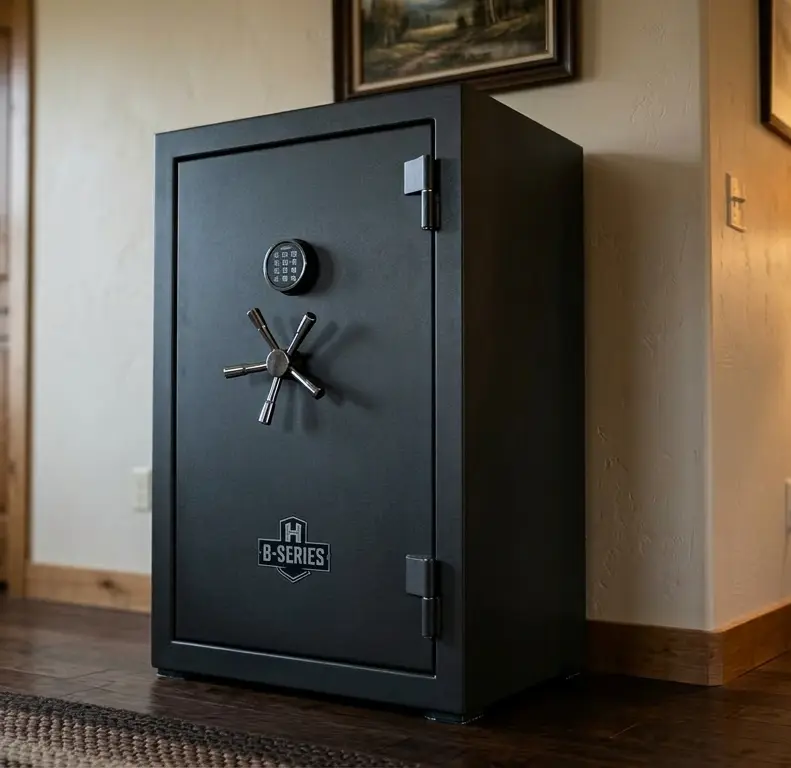
Executors should be thoughtful about who can access a residence, safe, or storage area containing regulated firearms or accessories. In some situations, access itself may create avoidable complications.
Maintaining clear custody, limiting access, and using secure storage can help reduce confusion while the item’s status is being reviewed.
- Restricted access
- Limit who has access to the storage location or safe.
- Clear custody
- Document who maintains control of the item during administration.
- Secure storage
- Use locked storage where possible until next steps are determined.
- Professional review
- Seek additional guidance before allowing movement or access if uncertainty exists.
When professional review makes sense
Executors are not expected to independently resolve every question surrounding regulated firearms. In many estates, the most prudent approach is to document what is present, preserve available records, and obtain appropriate review before proceeding.
- Registration is unclear
- The item appears highly specialized
- Heirs are unfamiliar with ownership requirements
- Access or custody is uncertain
- Transfer should not proceed informally
Taking time to confirm status and documentation early can prevent more complicated problems later in the estate process.
Maintaining Records for Estate Administration
When regulated firearms are discovered, the executor should preserve a clear record of the item, the documentation reviewed, and any steps taken to secure it during the estate process.
These records may help attorneys, heirs, or other professionals understand what was present and what actions were taken before any transfer or disposition decision was made.
Attorneys assisting with probate matters may also find the Estate Attorney Quick Reference helpful when regulated firearms are encountered during estate administration.
Maintaining organized documentation is one of the most practical ways to reduce uncertainty when specialized firearms or accessories are involved.
Frequently asked questions
- What are regulated firearms in an estate?
-
Regulated firearms may include items such as suppressors, short-barreled rifles, short-barreled shotguns, machine guns, and other firearms or accessories subject to additional federal regulation.
- What should an executor do if a suppressor or machine gun is found in an estate?
-
The executor should avoid distributing or moving the item until its legal status and registration can be confirmed. These items may require specific documentation and transfer procedures.
- Can regulated firearms be transferred to heirs like ordinary firearms?
-
Not always. Certain regulated firearms may require ATF approval or other specific procedures before they can be lawfully transferred to an heir.
- Why is documentation especially important for NFA items?
-
Documentation helps confirm whether the item is lawfully registered and supports proper handling during estate administration. Missing paperwork can create uncertainty that should be reviewed carefully.
- Should an executor list regulated firearms in the estate inventory?
-
Executors should document what is present, but unusual or regulated items should be handled cautiously and reviewed with appropriate professional guidance before any transfer or disposition is attempted.
Additional estate firearm resources
Regulated firearms can introduce additional documentation and handling issues during estate administration. Executors and attorneys who need broader guidance can review the Estate Firearms Resource Center for related articles, checklists, and reference materials.
