Resources Estate Resources Interstate Firearm Transfers and Transportation Risks
Interstate Firearm Transfers and Transportation Risks in an Estate
When heirs, executors, or firearms are located in different states, the transfer process may involve additional legal considerations.
Executors should understand when interstate movement or transfer may require additional steps before firearms are distributed or transported.
Quick Summary
- Firearm transfers across state lines may involve additional federal requirements.
- Many interstate transfers must be completed through a licensed dealer.
- Transportation across state lines should be reviewed before firearms are moved.
- Heirs residing in different states can change how a transfer must be handled.
- Clear documentation helps maintain proper estate records.
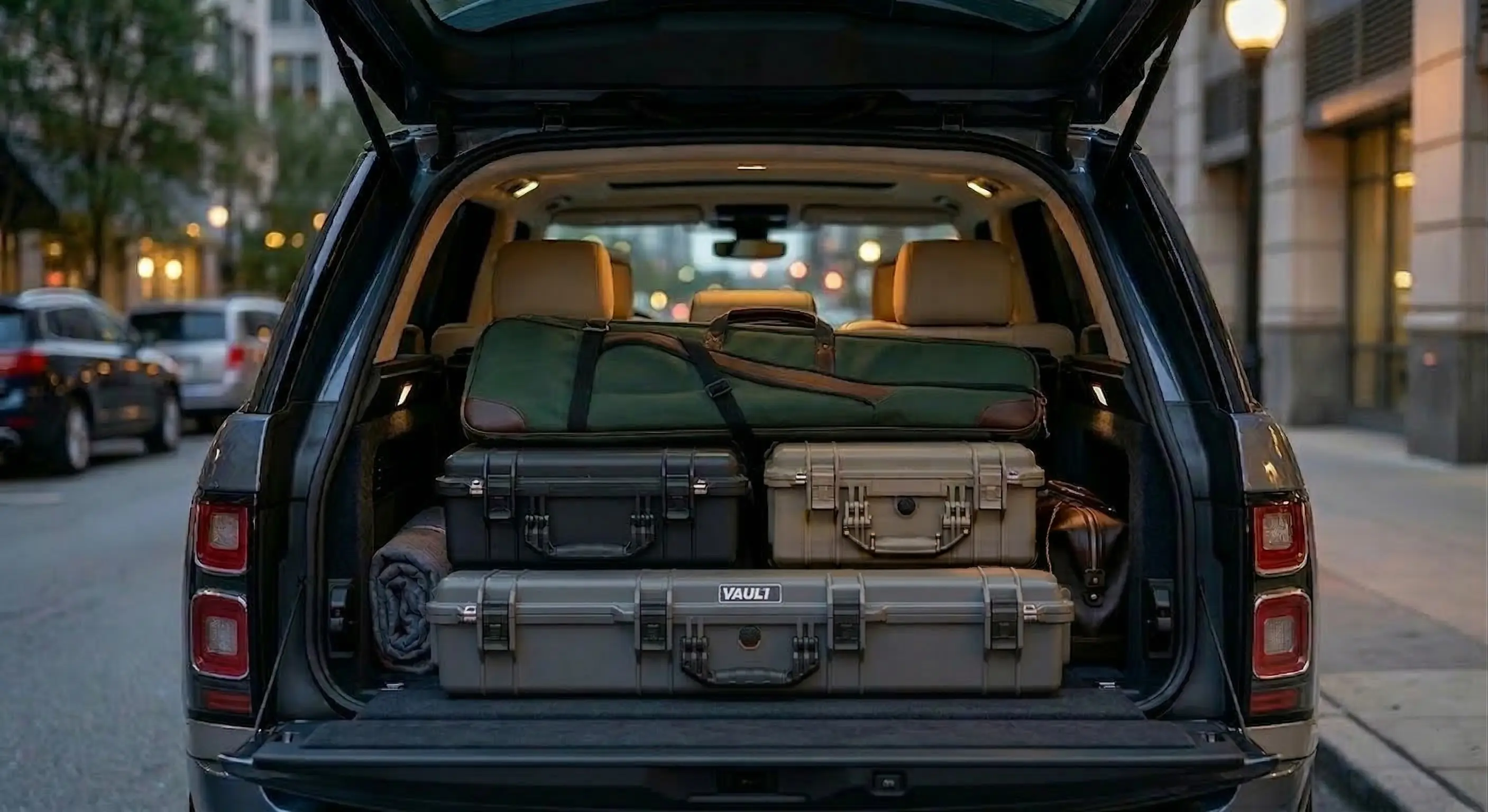
Interstate considerations
Why interstate transfers are different
Firearms are regulated at both the federal and state level. When a firearm moves from one state to another, additional requirements may apply.
Executors should not assume that firearms can be handed directly to heirs who live in another state.
In many situations, the transfer must be completed through a licensed dealer located in the recipient’s state.
- Federal law applies
- Federal law
- State laws may differ
- State laws
- Heir location matters
- Location
- Dealer involvement may be required
- Licensed dealer

When heirs live in another state
When an heir resides in another state, the transfer often must be completed through a licensed dealer in the recipient’s state.
The executor may need to coordinate shipment or delivery to that dealer before the heir can receive the firearm through the appropriate process.
Understanding the recipient’s location early can help prevent delays during estate administration.
Executor Tip
If heirs live in multiple states, determine their location early so the transfer process can be planned correctly.

Transportation risks during estate administration
Executors sometimes need to move firearms during estate administration. This may include transporting them to another residence, to a dealer, or to a storage location.
When transportation involves crossing state lines, additional legal considerations may apply.
Executors should confirm the appropriate process before moving firearms between states.

Documentation
Document interstate firearm movement
Executors should maintain records of how firearms were transferred or transported during estate administration.
Documentation helps confirm that the firearm was transferred lawfully and supports the estate accounting process.
- Inventory records
- Record what firearm left the estate.
- Dealer paperwork
- Keep transfer records from licensed dealers.
- Shipping records
- Maintain carrier documentation when firearms are shipped.
- Estate file records
- Store transfer documentation with estate materials.
Planning ahead for interstate situations
Interstate firearm transfers are common when heirs live in different states. Executors who identify these situations early can plan the transfer process more smoothly.
- Heirs in another state
- Heir location
- Executors in another state
- Executor location
- Firearms stored in multiple locations
- Storage location
- Dealer transfer coordination
- Dealer involvement
- Shipping or transportation planning
- Transportation
Planning the transfer path early helps prevent delays and confusion during estate administration.
Frequently asked questions
- Can firearms be transferred directly to an heir in another state?
-
In many situations, interstate firearm transfers must be completed through a licensed dealer in the recipient’s state.
- Why do interstate firearm transfers require additional care?
-
Transfers across state lines may be subject to additional federal requirements and different state laws.
- Can an executor transport firearms to another state personally?
-
Transportation across state lines may be lawful in some situations, but executors should confirm that the movement complies with applicable laws before doing so.
- What if an heir lives in another state?
-
If an heir resides in a different state, the transfer often must be handled through a licensed dealer in the recipient’s state.
- Why should interstate transfers be documented carefully?
-
Clear documentation helps confirm how the firearm moved from the estate to the lawful recipient and supports estate accounting records.
Additional estate firearm resources
Firearms discovered in an estate can raise questions about transfers, transportation, and documentation. Executors and attorneys can review the Estate Firearms Resource Center for additional guidance and reference materials.
