Navigating Major NFA Shifts as an FFL

As landmark court rulings or administrative injunctions target the National Firearms Act (NFA), headline news spreads instantly across social media and online forums. For firearm enthusiasts and consumers, the news suggests immediate relief—such as buying suppressors, short-barreled rifles (SBRs), or short-barreled shotguns (SBSs) directly over the counter on an ATF Form 4473.

However, for Federal Firearms Licensees (FFLs) and Special Occupational Taxpayers (SOTs), the gap between a judicial ruling and front-counter execution is fraught with administrative landmines. Understanding why gun stores cannot instantly pivot overnight is essential for both industry professionals and consumers alike.

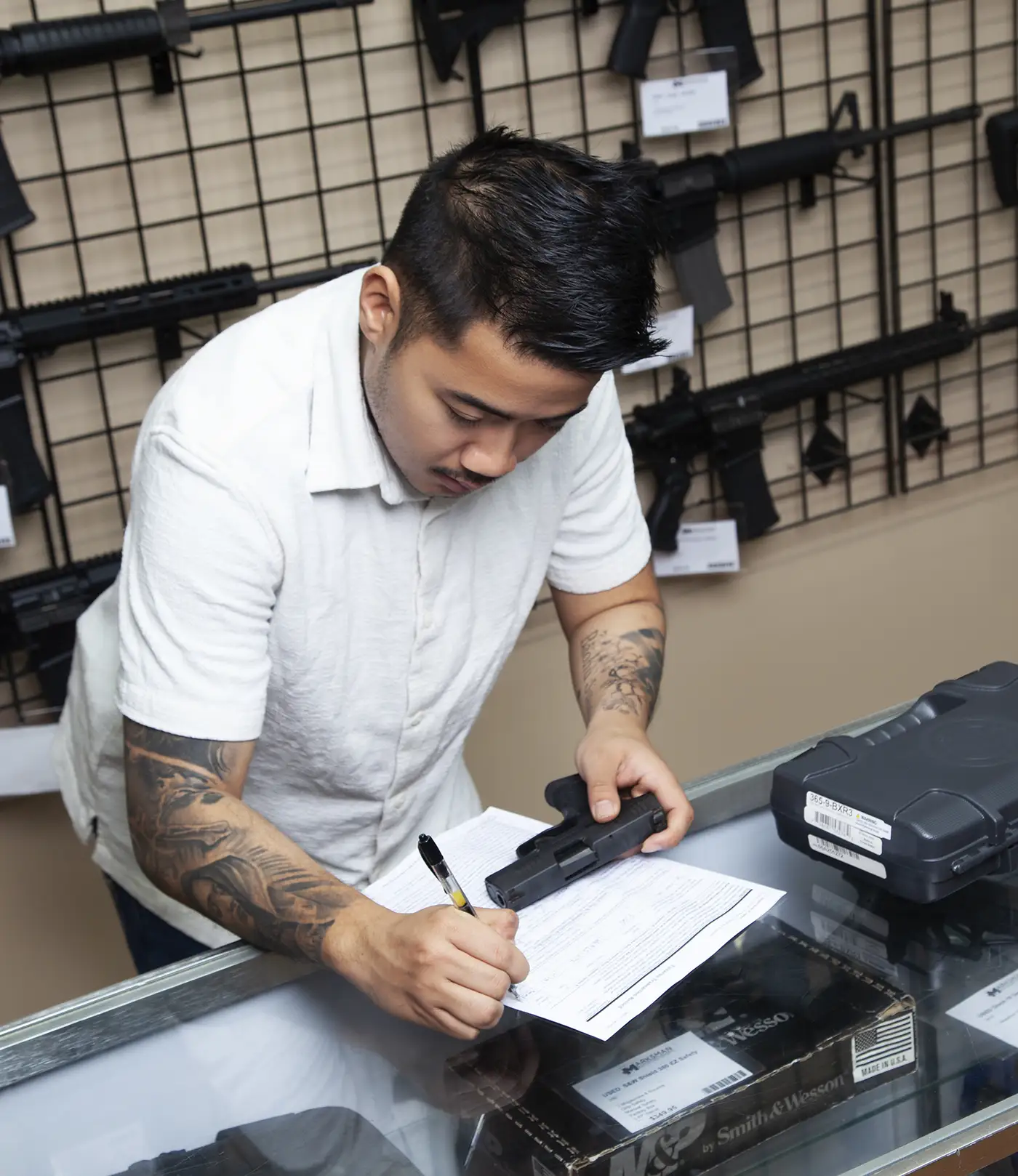
Documenting a firearm transaction

The Registry Dilemma: Title I vs. Title II Accounting

To understand the compliance bottleneck, one must look at how FFL inventory is tracked federally:

Title I Firearms (Standard Rifles, Handguns, Shotguns):
Tracked via the dealer’s Acquisition and Disposition (A&D) Bound Book and transferred via ATF Form 4473 / NICS background check.
Title II / NFA Items (Suppressors, SBRs, SBSs, AOWs):
Serialized and recorded on the federal NFA Registry (NFRTR). Items held by dealers are bound to specific eForm 3/4 transfer records and specialized eForm inventory systems.
Even if an injunction restricts enforcement of NFA classification on certain items, an FFL’s existing inventory remains logged inside the ATF’s digital NFA registry. Transferring an item currently logged as NFA inventory via a standard Form 4473, without an official mechanism to deregister or reclassify the item, creates a direct discrepancy between physical store inventory and federal electronic records.

The High Cost of Regulatory Uncertainty

When an Industry Operations Investigator (IOI) conducts a routine compliance audit of an FFL, missing or improperly transferred inventory is one of the most severe infractions possible.

Under "zero tolerance" compliance enforcement standards, an IOI finding serialized NFA inventory marked in federal records as present at the store—but missing due to an unapproved transfer—can immediately initiate license revocation proceedings.

The typical order of operations

  1. Judicial Ruling / Injunction
  2. ATF Administrative Directives & eForm System Updates
  3. Local IOI Guidance to Field Offices
  4. FFL Counter Sales & Form 4473 Transfers

Why it matters

For the average independent gun store, fighting a license revocation in administrative court costs tens of thousands of dollars in legal fees and can suspend business operations for six to eighteen months. Few small businesses can survive months without revenue while legal battles play out.

What comes next?

Perspective for Consumers and Retailers

The shift away from NFA paperwork, finger-print cards, passport photos, and extended wait times represents a major milestone for Second Amendment advocacy and commercial retail. However, industry execution requires patience.
Retailers are eager to streamline sales and eliminate the administrative burden of NFA hold periods. By allowing federal guidelines to clear the administrative pipeline, FFLs protect the very licenses that allow them to serve their local communities.