Legal Guides Vermont
Published: February 11, 2026 | Updated: September 30, 2026
Vermont Firearm Sale Laws and Transfer Rules
Selling a firearm in Vermont is more straightforward than in many states, but it still requires compliance with federal law and Vermont’s universal background check requirements. Private sales are not informal transactions.
Vermont law requires background checks for most firearm transfers and restricts how sales can be completed, especially when buyers or sellers are not clearly eligible. Understanding the rules upfront helps avoid accidental violations and liability.
We Buy Guns is trusted by 50,000+ sellers · 1,255+ Google reviews · Over $7.8M paid out to sellers
Visit Sell your gun in Vermont
Selling your firearm checklist
This is a practical checklist for a compliant transfer. If anything feels unclear or high-risk, using a licensed dealer is the simplest way to ensure the transfer is correctly documented and legally compliant.
-
1
Confirm a background check is required.
Vermont law requires background checks for most firearm transfers, including private sales. Do not proceed with a transfer unless the background check requirement is satisfied.
-
2
Bring the firearm and identification to a licensed dealer.
A licensed firearms dealer typically facilitates the background check. Both parties should have valid government-issued photo ID.
-
3
Complete the background check and transfer paperwork.
The dealer submits the required information to initiate the background check and records the transfer in compliance with state and federal law.
-
4
Wait for approval before completing the sale.
The firearm cannot be transferred until the background check is approved. Delays can occur depending on system volume.
-
5
Consider selling directly to a licensed buyer.
Selling to a federally licensed buyer like WeBuyGuns.com simplifies compliance by handling background checks, shipping and documentation.
Updated: September 30, 2026
State laws for selling a gun in Vermont
Vermont allows lawful firearm ownership without a purchase permit in most cases, but private sales are still regulated. Most firearm transfers require a background check performed by a licensed dealer unless a specific exception applies.
If anything about eligibility, residency, or transfer rules is unclear, use a licensed dealer transfer. For any out-of-state buyer, federal law requires the transfer to go through an FFL.
| Topic | Status | Notes |
|---|---|---|
| Background check for private transfers | YES (in most cases) | Vermont generally requires private firearm transfers to be completed through an FFL so the required background check can be performed unless a defined exception applies. |
| Waiting period | No fixed state waiting period (dealer processing can delay) | Vermont does not operate like a strict fixed-day waiting period state for every transfer, but completion depends on dealer processing and background check status. |
| Can I sell to an out-of-state buyer | NO (directly) | Private interstate transfers are prohibited. Transfers must be completed through an FFL in compliance with federal law and the buyer’s state requirements. |
| Minimum age: Dealer | YES | Federal minimums apply at an FFL: typically 18+ for long guns and 21+ for handguns. |
| Minimum age: Private transfer | Treat as dealer rules | Because most private transfers route through an FFL, age and eligibility are effectively governed by the dealer transfer rules and background check outcome. |
| Bill of sale | Not required (recommended) | Not required by Vermont for every scenario, but strongly recommended for personal records. Dealer transfer paperwork provides the cleanest documentation. |
State law details
Understanding Vermont firearm sale rules
A detailed breakdown of common requirements.
Understanding Vermont firearm sale rules
Identification & documentation
For most Vermont firearm sales, the safest path is to route the transfer through a licensed dealer. The dealer verifies identity and runs the required background check. For private sellers, your goal is to avoid informal handoffs when the buyer’s eligibility or residency is unclear.
- Use an FFL transfer for most private sales to satisfy background check requirements
- Bring valid government-issued photo ID to the dealer
- Keep clear records of the firearm details (make, model, serial) and the transfer date for your files
- 13 V.S.A. Chapter 85 - Firearms and other dangerous weapons; includes Vermont rules that govern transfers and prohibited conduct
Background checks in private sales
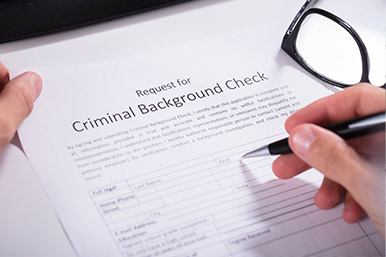
Vermont generally requires background checks for firearm transfers, including most private sales. In practice, this means completing the transaction through a licensed dealer unless a narrow exception applies.
- Most private transfers should be processed through an FFL
- Dealer transfers include the required background check process before release
- If an exception might apply, verify it first using official Vermont statute text
- 13 V.S.A. Chapter 85 - Contains Vermont transfer rules and related requirements

Age & eligibility
Even where Vermont is permissive on ownership, transfers still carry legal risk if you proceed when the buyer is prohibited or not eligible. Dealer transfers add guardrails by requiring a background check before the firearm can be transferred.
- FFL transfers apply federal age minimums and eligibility screening
- Do not transfer a firearm if you know or reasonably suspect the buyer is prohibited
- If anything feels off, stop the transaction or use a licensed dealer transfer
- 13 V.S.A. Chapter 85 - Includes eligibility limits and prohibited conduct related to firearms

Waiting periods and transfer timing
Vermont does not operate like a fixed waiting-period state for every transfer, but a transfer cannot be completed until the dealer has run the background check and is ready to release the firearm under their process.
- Expect timing to depend on dealer scheduling and background check completion
- If speed matters, call ahead and confirm dealer intake requirements
- When timing is sensitive, selling to a licensed buyer can reduce coordination friction

Prohibited persons
Federal law sets baseline prohibited-person categories and Vermont law can add additional restrictions. Private sellers take on real risk when they ignore red flags or try to complete an informal transfer outside the compliant process.
- Do not sell if you know or reasonably suspect the buyer is prohibited
- Red flags include refusing ID, pushing to avoid a dealer, or inconsistent answers about residency
- When in doubt, stop the sale or route it through a licensed dealer
- 13 V.S.A. Chapter 85 - Includes prohibitions and criminal penalties related to unlawful transfers and possession
Official & trusted resources
Avoid background check and transfer mistakes
Even in Vermont, firearm sales are not casual transactions. Missing a required background check or mishandling a transfer can create serious legal exposure for sellers. Selling directly to a licensed buyer removes uncertainty and compliance risk.
We’ve purchased dozens of firearms from Vermont sellers through a fully licensed process that complies with Vermont background check requirements and federal transfer rules.


Vermont residents must follow federal laws for private transactions
ATF guidance and prohibited person requirements
Federal law requires that the buyer of a firearm must be legally eligible to own a gun.
Local ordinances, town rules and enforcement practices
Vermont firearm law is primarily set at the state level, and municipalities have limited authority to regulate firearm transfers directly. That said, local practices, facilities, and enforcement realities can still affect how smoothly a sale or transfer takes place, especially when working with dealers or coordinating logistics.
- Dealer availability and local scheduling: While Vermont does not require permits to purchase in most cases, background checks for transfers are typically handled through licensed dealers. Dealer hours, appointment requirements, and intake procedures can vary by town or county.
- Local law enforcement involvement: Vermont does not centralize firearm transfers through local police departments, but local law enforcement may still become involved if questions arise about eligibility, prohibited persons, or improper transfers.
- Transportation and public property rules: Municipalities may enforce rules related to firearm possession or carry on specific public properties or facilities. These rules do not change transfer law, but they can affect where firearms are transported or handled during a sale.
Local rules in Vermont rarely change whether a firearm can be sold, but they can influence how efficiently a transfer is completed. Using a licensed buyer helps avoid delays tied to dealer scheduling, local practices, or uncertainty around transfer logistics.
Frequently asked questions
- Is selling my firearm to WeBuyGuns.com legal in Vermont?
-
Yes. We are a federally licensed firearms dealer located in the state of Indiana. You, the seller, are covered under our license just as you would be if you walked into our store. There are no laws preventing you from selling your firearm to us. If the process seems daunting, just give us a call and we'll walk you through it.
- What if I inherited firearms and don’t know much about them?
-
Inherited firearms are common. You can start by sending photos or a simple list of items and we’ll help identify what you have, explain what affects value and guide you through the next steps before anything is shipped.
- Can I sell a firearm I do not have the original box or paperwork?
-
Yes. In most cases we only need clear photos and accurate details so we can make a documented offer. If anything else is needed, we will tell you during the review.
- How long are offers good for?
-
Offers are valid for 14 days.
- Does We Buy Guns purchase gun collections or inherited estates?
-
Yes. We frequently assist with firearm collections and inherited estates. After submitting one firearm you can add additional items from your user panel, or contact us directly for larger collections.
You can find additional guidance in our Estate Firearms Resource Center which includes resources for executors and families handling firearms in an estate.
- Can I sell a firearm privately in Vermont?
-
Yes, but Vermont requires background checks for most firearm transfers. Private sellers must ensure the transfer complies with state law, which generally means involving a licensed dealer to conduct the background check.
- Do private gun sales in Vermont require a background check?
-
Yes. Vermont law requires background checks for most firearm sales, including private transfers. The background check is typically conducted through a licensed firearms dealer.
- Is there a waiting period when selling a firearm in Vermont?
-
Vermont does not impose a fixed statutory waiting period, but the transfer cannot be completed until the required background check is approved.
- Can I sell a firearm to someone who lives out of state?
-
No. Private interstate firearm transfers are prohibited. Sales to out-of-state buyers must go through licensed dealers in compliance with federal law.
- What if I inherited a firearm in Vermont?
-
Inherited firearms are common in Vermont, but transfers and sales are still regulated. Depending on the situation, dealer involvement may be required to ensure proper background checks and documentation.
The content on WeBuyGuns.com is provided as a service to the online community. While we strive to offer reliable and up-to-date information, we do not guarantee its accuracy, completeness, or timeliness. Users should exercise their own judgment and consult official resources or an attorney, especially when selling firearms, as we do not provide legal advice.